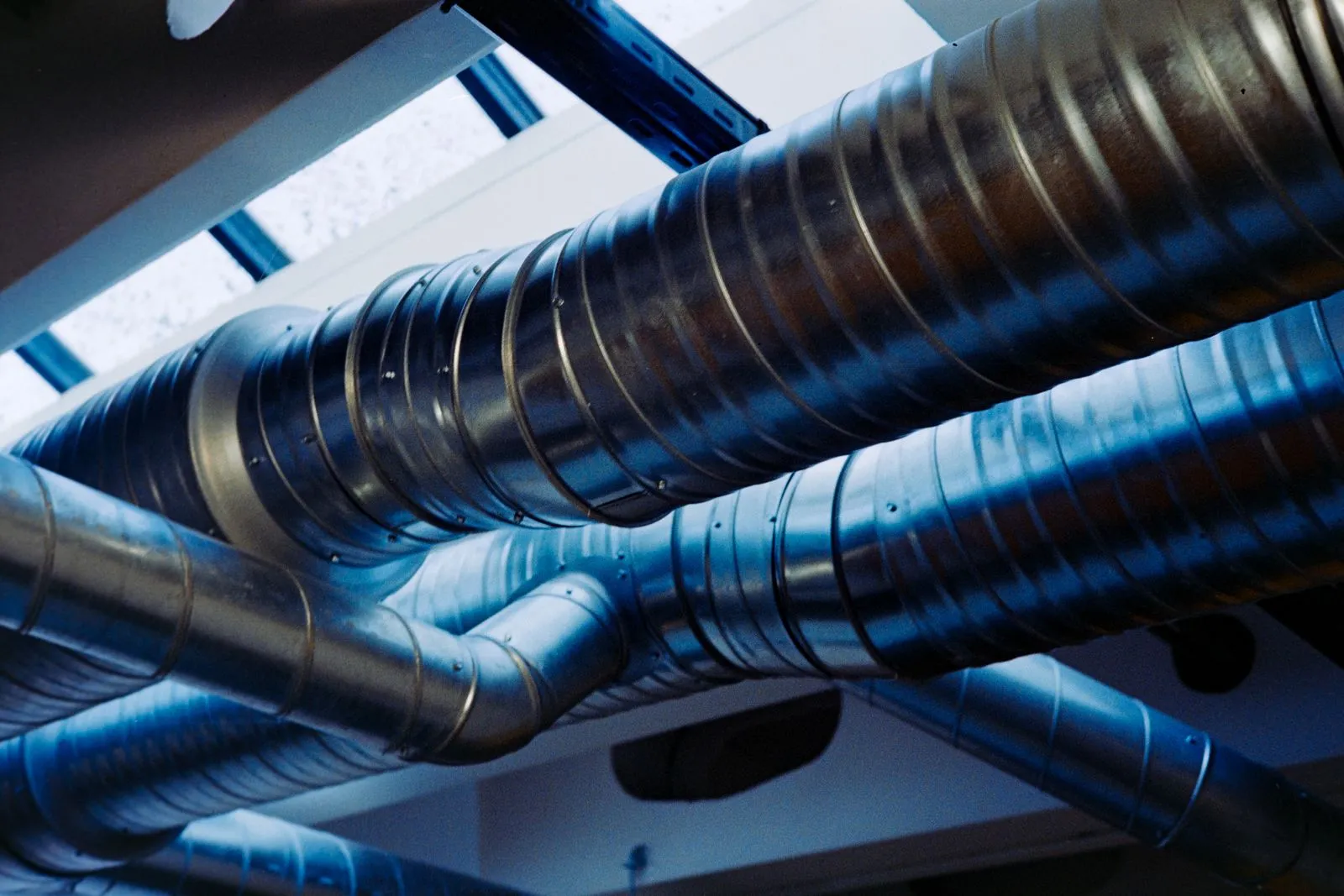
Ducts carry heated or cooled air through your home, but some run through spaces that are much hotter or colder than the rooms you live in. As air travels through these areas, the duct walls can transfer heat, making it harder to deliver air at the temperature you expect. Insulation can slow that heat transfer. The best places to focus are often ducts outside the home’s conditioned space, though the right solution depends on the duct’s condition, location, and existing insulation.
Attics Exposed to Extremes
Attic ducts are exposed to outdoor temperature changes through the roof and ventilation. In cold weather, heat can escape from supply ducts before it reaches rooms below. During hot weather, attic heat can warm cooled air traveling through the same ducts. Insulation around the duct helps reduce this exchange, so the air arriving at a register is less affected by the attic’s conditions.
Look for ducts resting on attic floors, crossing open spaces, or showing gaps in existing insulation. Check for crushed or torn material and loose connections as well. Insulation does not seal air leaks, so gaps at joints need separate attention. If you inspect the attic, use a stable access path and avoid stepping on ceiling drywall.
Crawl Spaces and Basements
Ducts in crawl spaces and unfinished basements may sit near cold ground, damp air, or outside air entering through vents and openings. In winter, poorly insulated ducts can lose heat on the way to rooms. In warmer, humid conditions, cool duct surfaces may also attract condensation when moisture in the surrounding air reaches them.
Before adding insulation, address water intrusion and excessive moisture. Wet insulation can lose effectiveness and may contribute to odor or material damage. Check duct seams, supports, and clearances, and make sure insulation will not cover equipment labels or interfere with service access. A professional can help identify whether the concern is heat loss, air leakage, moisture, or a combination.
Garages and Other Unheated Areas
A garage can experience wide temperature swings even when it is attached to the home. Ducts running through an unheated garage may lose heat in winter or pick up heat in summer. Similar concerns can apply to utility rooms, knee walls, enclosed porches, and other spaces that are not kept at the same temperature as living areas.
Pay particular attention where ducts pass through a garage wall or ceiling into the home. Insulating the duct may help limit temperature change along its route, while sealing the opening around the duct can reduce drafts and air movement between spaces. Use materials and methods suitable for the location, especially where fire separation or local building requirements apply.
Decide Where to Start
Start by tracing visible ducts from the heating or cooling equipment toward room registers. Note which sections run outside the insulated and air-sealed part of the home, then look for bare, damaged, or poorly fitted insulation. Also note rooms that are consistently uncomfortable, long duct runs, and ducts that are difficult to reach. These observations can help prioritize an inspection.
Insulation works best as part of a sound duct system. Loose connections, damaged ducts, poor airflow, or inadequate insulation around the attic or crawl-space boundary may also affect comfort. Avoid covering duct problems without checking them, and do not disturb materials that may contain hazardous substances. Cheyenne Duct Insulation can help assess exposed ductwork and explain practical next steps.
Ducts in attics, crawl spaces, garages, and other unconditioned areas are often the most useful places to assess for insulation. A careful check can reveal bare sections, damaged material, air leaks, or moisture concerns that need different fixes. If you are unsure where to begin, consider arranging an inspection and discussing the options for your home.